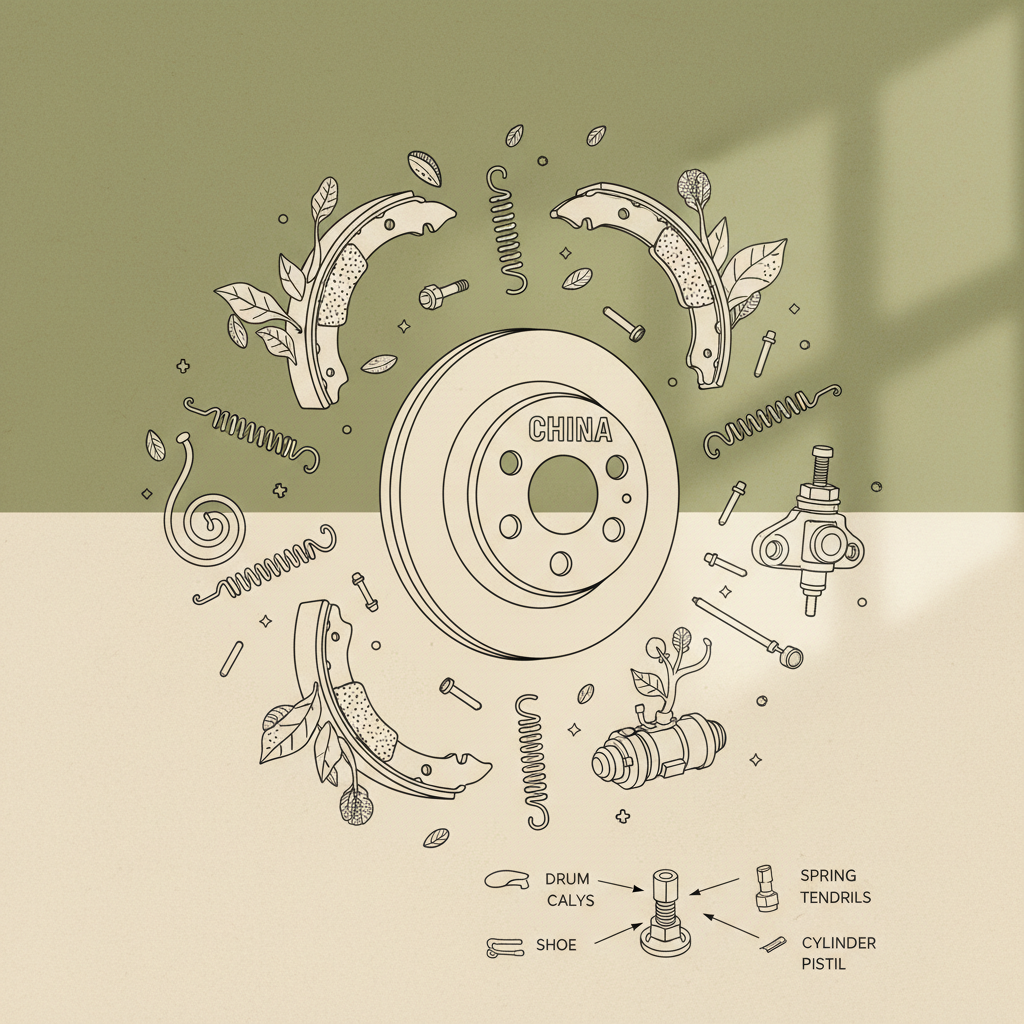
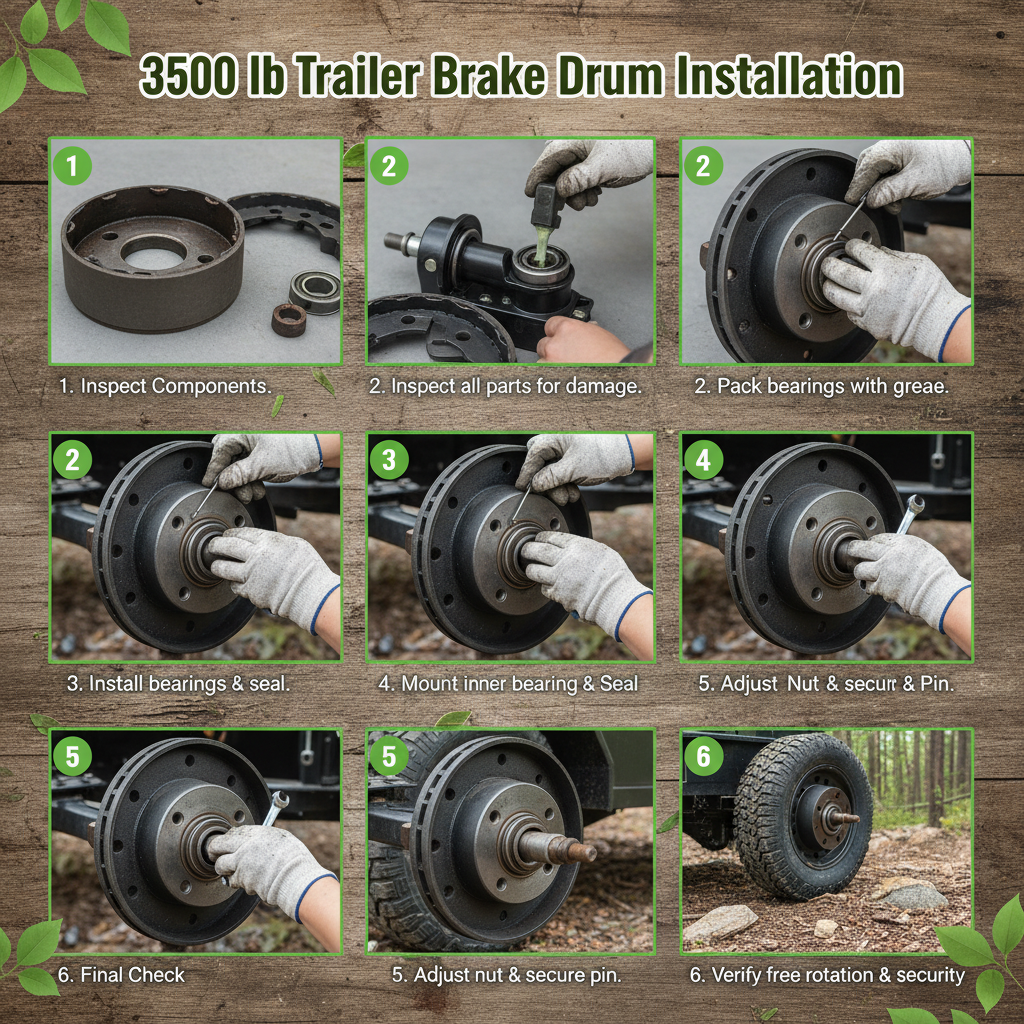
Industrial drum brakes are critical components in a vast array of machinery and systems, playing a vital role in ensuring safe and controlled deceleration. These brakes, leveraging the friction between brake shoes and a rotating drum, are renowned for their robust performance and reliability in demanding industrial applications. Understanding their principles, applications, and future trends is crucial for engineers, technicians, and operators across diverse sectors.
Globally, the demand for effective braking systems, including industrial drum brakes, is consistently high, driven by expanding industrialization, particularly in emerging economies. According to the World Bank, manufacturing output continues to grow, necessitating the upgrade and maintenance of existing machinery and the development of new, efficient systems. This growth underscores the importance of advanced braking technologies to maintain safety and operational efficiency.
The core benefit of understanding industrial drum brakes lies in their ability to prevent accidents, minimize downtime, and optimize performance in industrial processes. From heavy-duty cranes to complex conveyor systems, these brakes provide a vital layer of security and control, directly impacting productivity and safeguarding personnel.
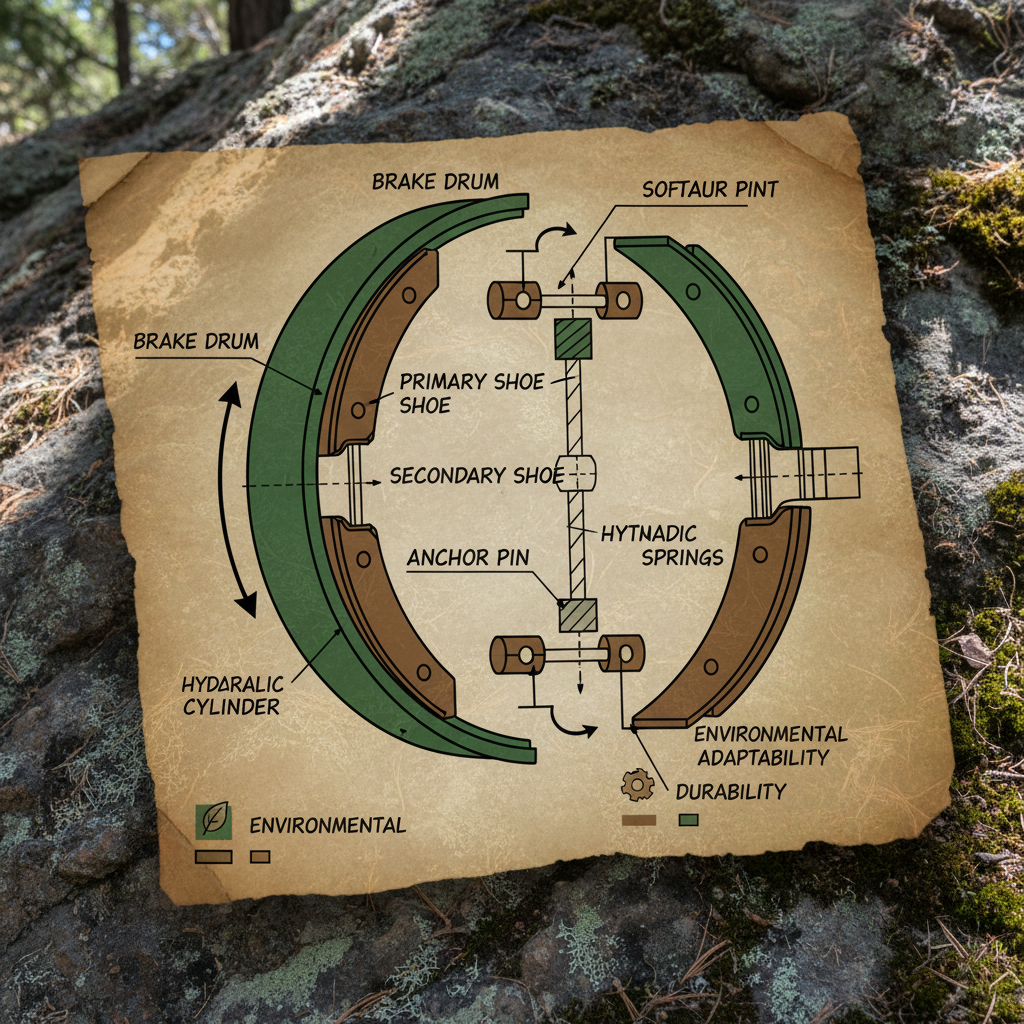
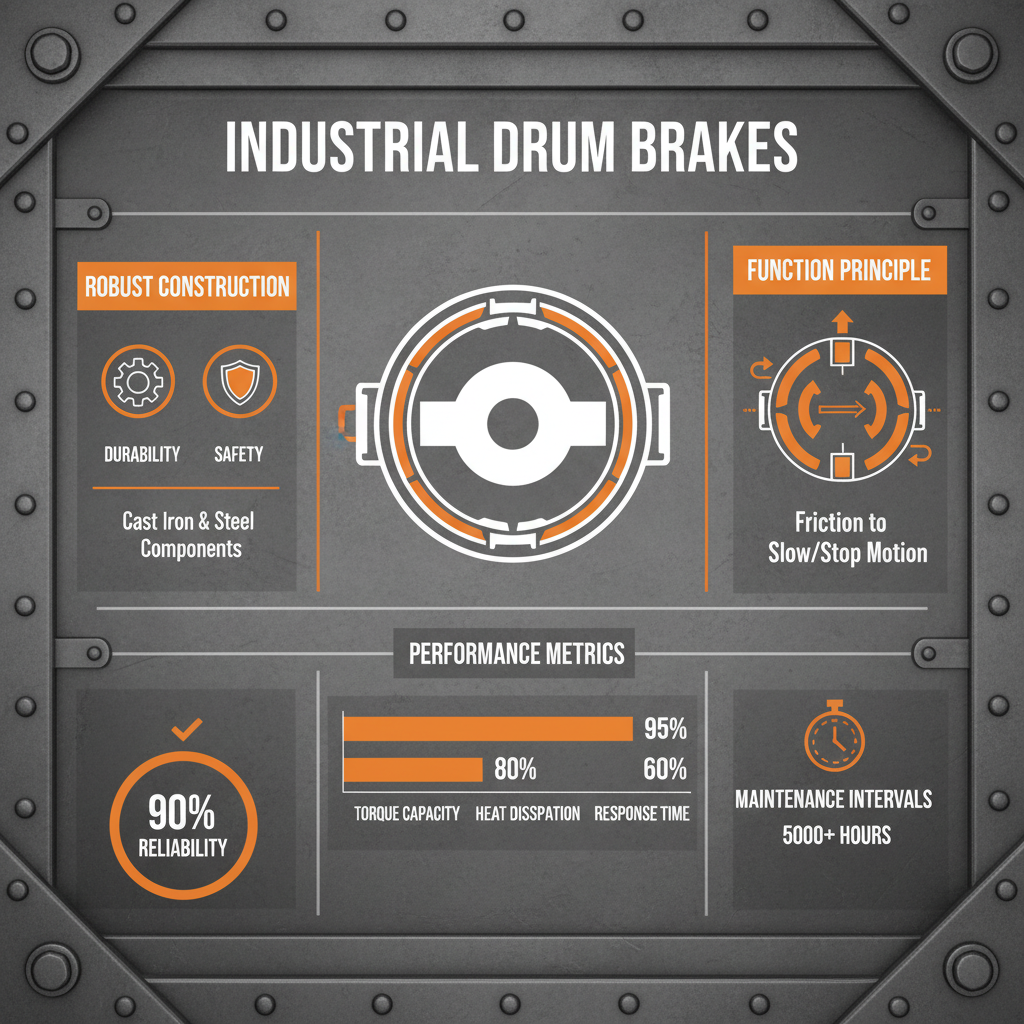
Industrial drum brakes represent a time-tested and highly effective braking solution for a wide range of applications, particularly those demanding high torque and reliable stopping power. Their simplicity and robustness make them ideal for environments where maintenance is challenging or downtime is costly.
The widespread adoption of industrial drum brakes stems from their ability to handle substantial loads and operate effectively in harsh conditions. They are frequently found in sectors such as mining, material handling, and power generation, where safety and efficiency are paramount. The continued relevance of industrial drum brakes is a testament to their enduring design and proven performance.
Industrial drum brakes and disc brakes differ significantly in their construction and performance characteristics. Drum brakes are enclosed, offering protection from contamination and often higher torque capacity, while disc brakes offer better heat dissipation and more consistent braking in wet conditions. Disc brakes are generally lighter but can be more expensive for high-duty applications.
Industrial drum brakes should be inspected regularly – ideally, every 3-6 months – and maintained according to the manufacturer's recommendations. This includes checking friction material thickness, inspecting the actuating mechanism for leaks or damage, and ensuring proper adjustment. Preventive maintenance is crucial for preventing costly downtime.
Common friction materials include woven, sintered, and non-asbestos organic (NAO) compounds. Woven materials provide good all-around performance, sintered materials offer high heat resistance, and NAO compounds are cost-effective for lighter-duty applications. The choice of material depends on the specific application requirements.
Yes, industrial drum brakes can be designed and certified for use in hazardous environments, such as those with explosive atmospheres. This often involves using specialized materials, enclosures, and certifications (e.g., ATEX) to ensure safe operation. Consult with a brake specialist to ensure compatibility.
The lifespan of an industrial drum brake varies greatly depending on the application, operating conditions, and maintenance schedule. With proper maintenance, a well-designed drum brake can last for several years, even in demanding environments. However, friction materials will eventually wear out and require replacement.
Common causes of failure include excessive friction material wear, actuator malfunctions, contamination of the braking surface, and corrosion of internal components. Regular inspection and preventative maintenance can help identify and address these issues before they lead to catastrophic failures.
In conclusion, industrial drum brakes remain a vital component in numerous industrial applications, providing reliable and cost-effective braking solutions for heavy machinery. Their robust design, high torque capacity, and proven performance make them a preferred choice across diverse sectors, from mining and manufacturing to power generation and material handling. Understanding their principles, components, and maintenance requirements is crucial for ensuring safe and efficient operation.
Looking ahead, ongoing innovations in materials, control systems, and predictive maintenance will further enhance the performance and sustainability of industrial drum brakes. By embracing these advancements and prioritizing preventative maintenance, industries can maximize the lifespan and reliability of these essential braking systems. For top-quality industrial drum brakes and expert support, visit our website today.

 Afrikaans
 Albanian
 Amharic
 Arabic
 Armenian
 Azerbaijani
 Basque
 Belarusian
 Bengali
 Bosnian
 Bulgarian
 Catalan
 Cebuano
 Corsican
 Croatian
 Czech
Czech
 Danish
 Dutch
Dutch
 Esperanto
 Estonian
 Finnish
 French
 Frisian
 Galician
 Georgian
 German
 Greek
Greek
 Gujarati
 Haitian Creole
 Hausa
Hausa
 Hawaiian
 Hebrew
 Hindi
Hindi
 Miao
Miao
 Hungarian
 Icelandic
 Igbo
Igbo
 Indonesian
 Irish
Irish
 Italian
 Japanese
 Javanese
 Kannada
 Kazakh
 Khmer
Khmer
 Rwandese
 Korean
 Kurdish
 Kyrgyz
 Lao
Lao
 Latin
Latin
 Latvian
 Lithuanian
 Luxembourgish
 Macedonian
 Malgashi
 Malay
Malay
 Malayalam
 Maltese
 Maori
Maori
 Marathi
 Mongolian
 Myanmar
 Nepali
 Norwegian
 Norwegian
 Occitan
 Pashto
 Persian
 Polish
 Portuguese
 Punjabi
 Romanian
 Russian
 Samoan
 Scottish Gaelic
 Serbian
 Sesotho
 Shona
Shona
 Sindhi
 Sinhala
 Slovak
 Slovenian
 Somali
 Spanish
 Sundanese
 Swahili
 Swedish
 Tagalog
 Tajik
Tajik
 Tamil
Tamil
 Tatar
Tatar
 Telugu
 Thai
Thai
 Turkish
 Turkmen
 Ukrainian
 Urdu
Urdu
 Uighur
 Uzbek
Uzbek
 Vietnamese
 Welsh
Welsh
 Bantu
Bantu
 Yiddish
 Yoruba
 Zulu
Zulu
 English