Semi brake drums are vital components in various braking systems, particularly in heavy-duty vehicles and industrial machinery. Their robust design and reliable performance are crucial for ensuring safety and operational efficiency. Understanding the intricacies of semi brake drums, their applications, and emerging technologies is paramount for engineers, technicians, and anyone involved in the maintenance and operation of equipment utilizing these systems.
The global demand for efficient and durable braking solutions continues to rise, driven by increased industrial activity, infrastructure development, and stringent safety regulations. Semi brake drums, with their ability to withstand high temperatures and significant wear, play a pivotal role in meeting these demands. They represent a cost-effective and reliable braking option compared to alternatives in specific applications.
This detailed exploration will delve into the definition, key components, applications, advantages, future trends, and challenges associated with semi brake drums, providing a comprehensive understanding of their importance in modern engineering and industrial sectors. This exploration aims to equip readers with the knowledge needed to make informed decisions regarding selection, maintenance, and future innovations in braking technology.


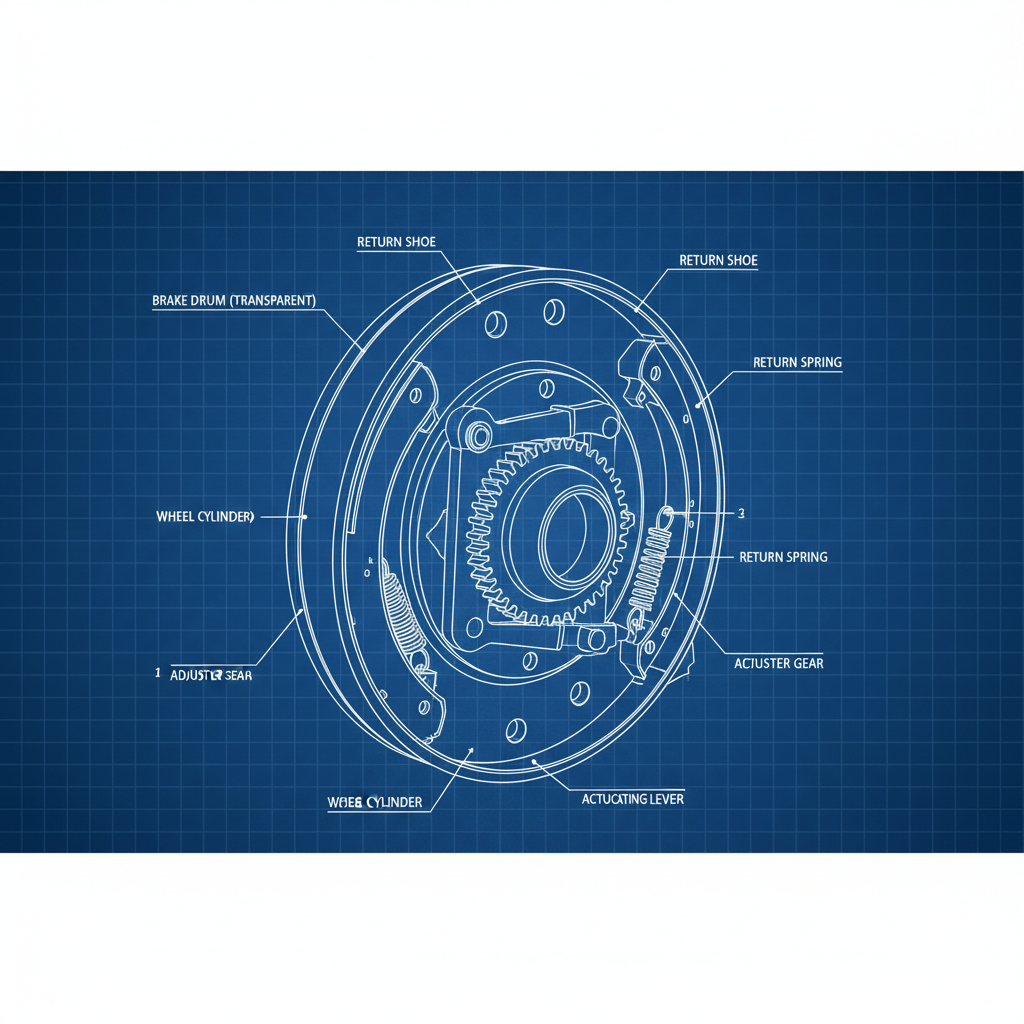
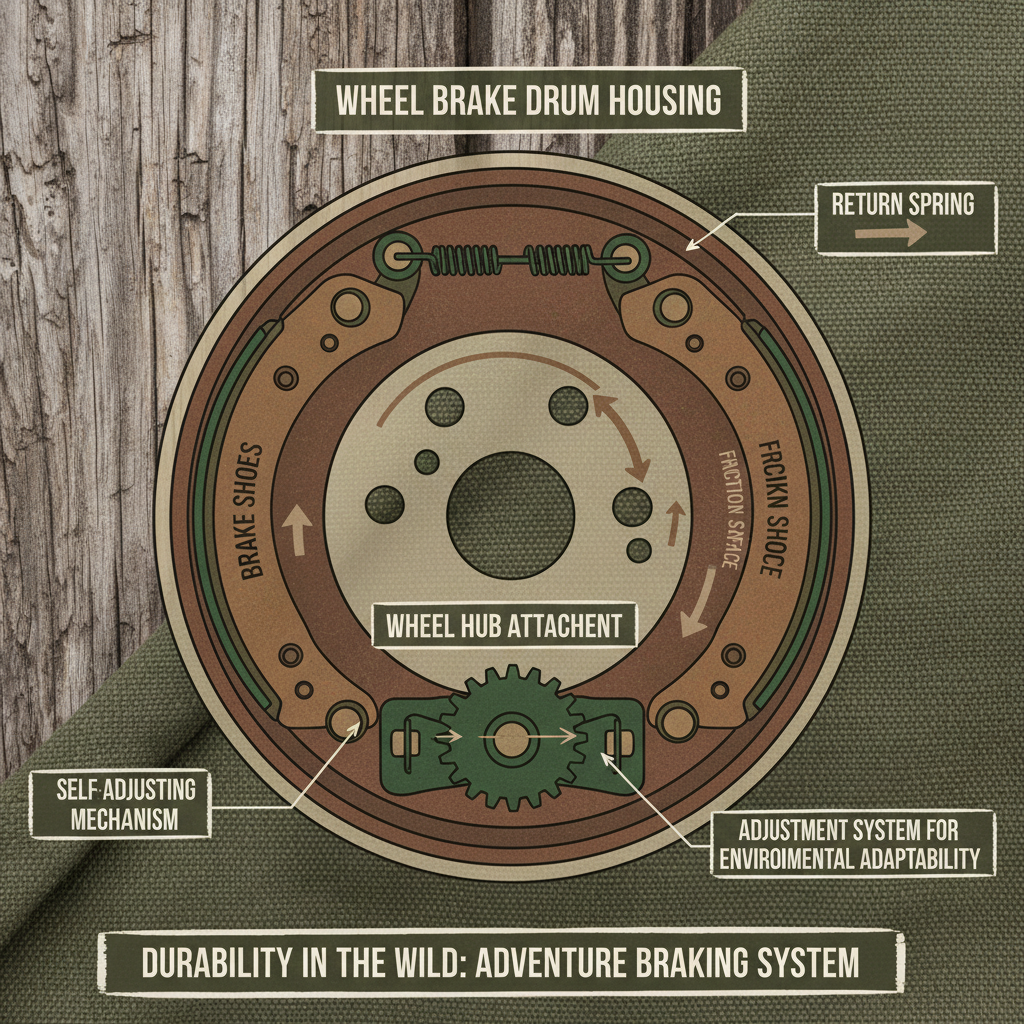
Semi brake drums represent a critical safety component in numerous industrial and automotive applications. These drums, often utilized in conjunction with brake shoes, rely on friction to decelerate or stop rotating machinery. Their design balances cost-effectiveness with reliable performance, making them a popular choice in environments requiring frequent braking cycles.
The construction of semi brake drums typically involves cast iron, offering excellent heat dissipation and wear resistance. However, advancements in material science are exploring alternatives, leading to lighter and more durable options. Understanding the fundamental principles behind semi brake drums is essential for optimizing braking system efficiency and ensuring operational safety.
The lifespan of semi brake drums varies greatly depending on factors like driving conditions, load weight, and maintenance frequency. However, a well-maintained set of semi brake drums in a heavy-duty truck can typically last between 100,000 to 200,000 miles. Regular inspections, proper lubrication, and timely replacement of worn brake shoes are crucial for maximizing their lifespan. Factors like harsh braking or consistently heavy loads will reduce this expectancy.
The material composition of brake shoes has a significant impact on the wear rate of semi brake drums. Harder brake shoe materials tend to wear the drums more slowly, but can also generate more noise. Softer materials provide quieter operation, but may result in faster drum wear. Choosing the right brake shoe material involves balancing these factors and considering the specific application requirements. Regular checks of both shoes and drums are essential.
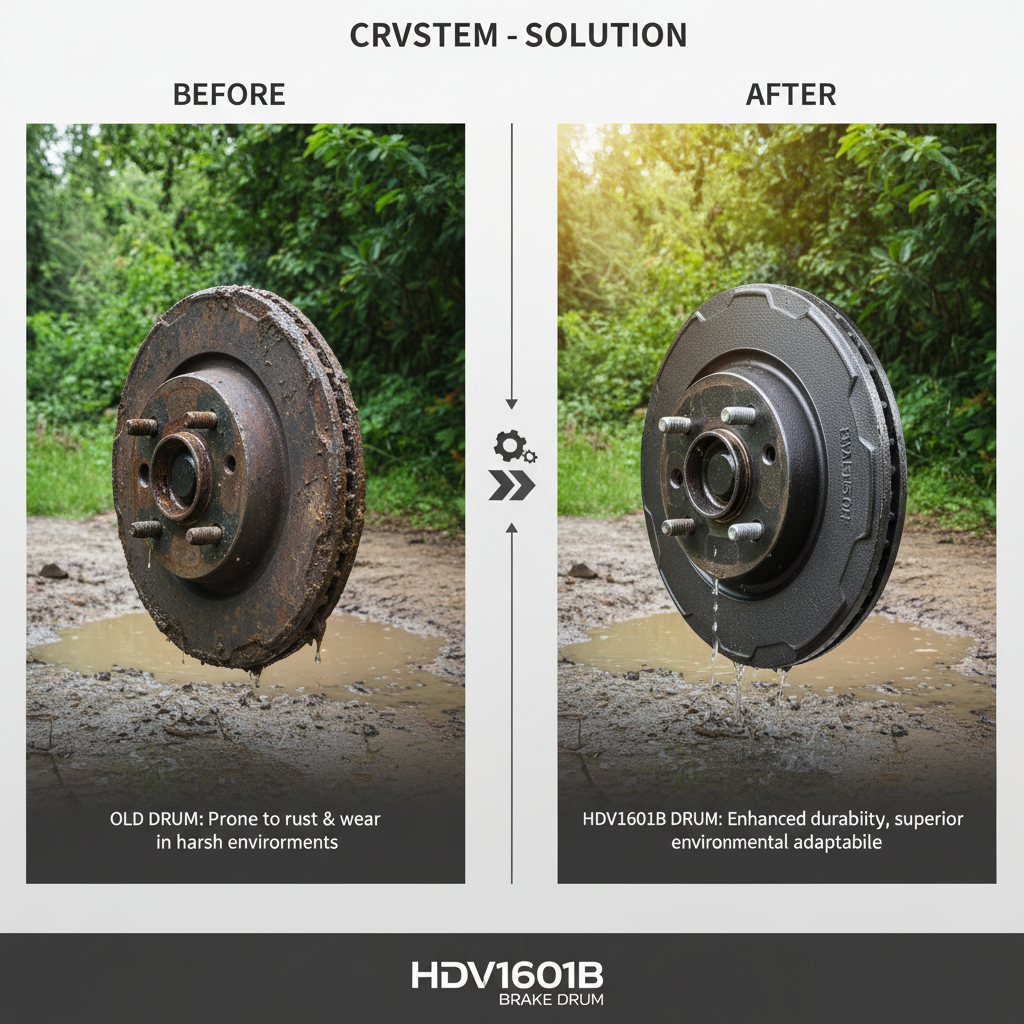
Semi brake drums can be used in wet or corrosive environments, but they require additional protection to prevent rust and corrosion. Coatings and special alloys can enhance their resistance to environmental factors. Regular cleaning and inspection are also crucial in these conditions. Furthermore, selecting corrosion-resistant brake shoes will contribute to prolonged system life.
Several signs indicate the need for semi brake drum replacement. These include visible cracks, excessive wear beyond the manufacturer’s specifications, deep scoring or grooving on the braking surface, and noticeable pulsation or vibration during braking. Ignoring these signs can compromise braking performance and create a safety hazard.
Disc brakes generally offer superior stopping power, particularly in wet conditions, due to their self-cleaning design and better heat dissipation. However, semi brake drums are a cost-effective solution for applications where extreme braking performance isn't paramount. Modern semi brake drum systems, when properly maintained, can provide adequate stopping power for many commercial and industrial applications.
Regular maintenance is crucial for maximizing the lifespan of semi brake drums. This includes periodic inspections for wear, cracks, and corrosion; cleaning to remove debris and contaminants; lubrication of all moving parts; and timely replacement of worn brake shoes. Proper wheel alignment and regular brake adjustments are also important.
In conclusion, semi brake drums remain a vital component in a wide range of industrial and automotive applications, offering a balance of cost-effectiveness, reliability, and ease of maintenance. Understanding their core components, performance characteristics, and future trends is crucial for optimizing braking system efficiency and ensuring operational safety. The continuous advancements in materials and technologies are set to further enhance their capabilities and extend their lifespan.
Looking ahead, a proactive approach to maintenance, coupled with the adoption of innovative materials and sensor-based monitoring systems, will be key to unlocking the full potential of semi brake drums. By embracing these advancements, industries can continue to rely on these dependable braking solutions for years to come. For more information on high-quality semi brake drums and related products, visit our website: www.jkxyihang.com

 Afrikaans
 Albanian
 Amharic
 Arabic
 Armenian
 Azerbaijani
 Basque
 Belarusian
 Bengali
 Bosnian
 Bulgarian
 Catalan
 Cebuano
 Corsican
 Croatian
 Czech
Czech
 Danish
 Dutch
Dutch
 Esperanto
 Estonian
 Finnish
 French
 Frisian
 Galician
 Georgian
 German
 Greek
Greek
 Gujarati
 Haitian Creole
 Hausa
Hausa
 Hawaiian
 Hebrew
 Hindi
Hindi
 Miao
Miao
 Hungarian
 Icelandic
 Igbo
Igbo
 Indonesian
 Irish
Irish
 Italian
 Japanese
 Javanese
 Kannada
 Kazakh
 Khmer
Khmer
 Rwandese
 Korean
 Kurdish
 Kyrgyz
 Lao
Lao
 Latin
Latin
 Latvian
 Lithuanian
 Luxembourgish
 Macedonian
 Malgashi
 Malay
Malay
 Malayalam
 Maltese
 Maori
Maori
 Marathi
 Mongolian
 Myanmar
 Nepali
 Norwegian
 Norwegian
 Occitan
 Pashto
 Persian
 Polish
 Portuguese
 Punjabi
 Romanian
 Russian
 Samoan
 Scottish Gaelic
 Serbian
 Sesotho
 Shona
Shona
 Sindhi
 Sinhala
 Slovak
 Slovenian
 Somali
 Spanish
 Sundanese
 Swahili
 Swedish
 Tagalog
 Tajik
Tajik
 Tamil
Tamil
 Tatar
Tatar
 Telugu
 Thai
Thai
 Turkish
 Turkmen
 Ukrainian
 Urdu
Urdu
 Uighur
 Uzbek
Uzbek
 Vietnamese
 Welsh
Welsh
 Bantu
Bantu
 Yiddish
 Yoruba
 Zulu
Zulu
 English