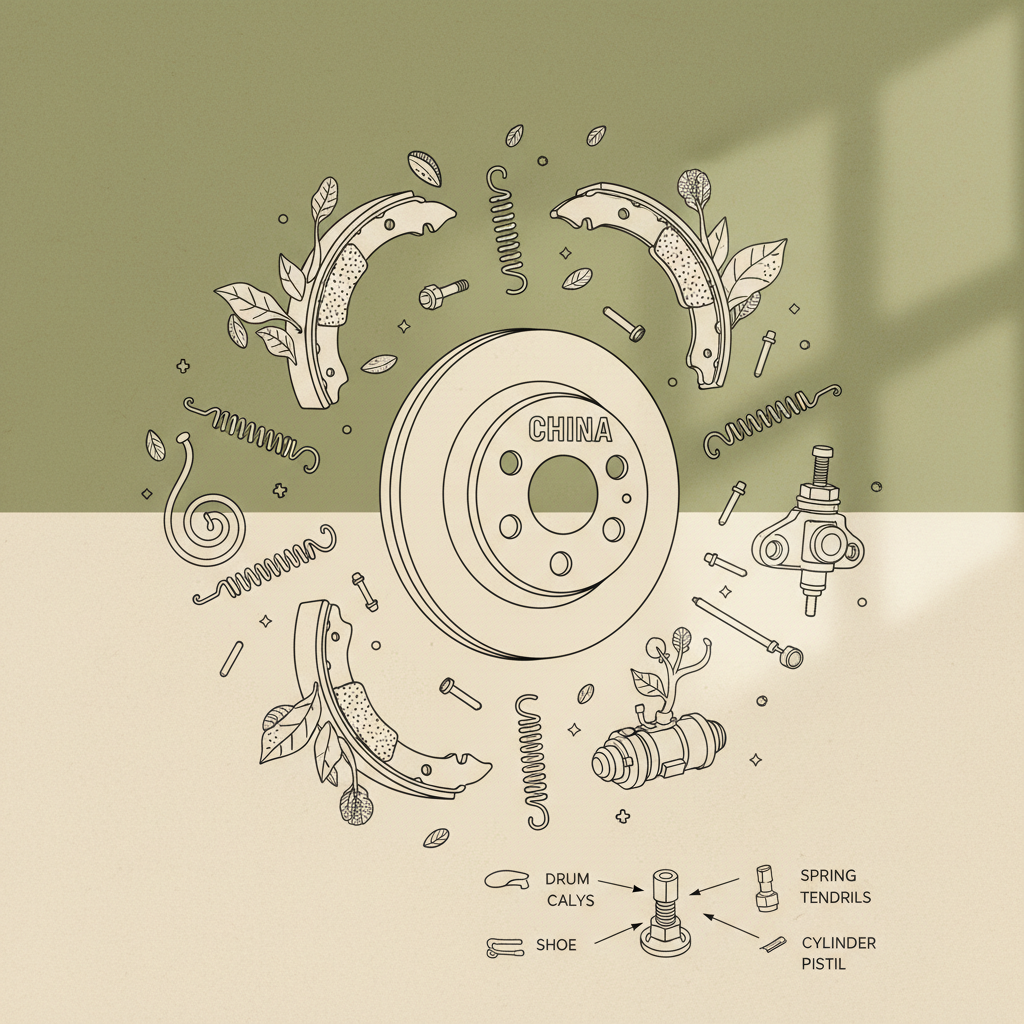
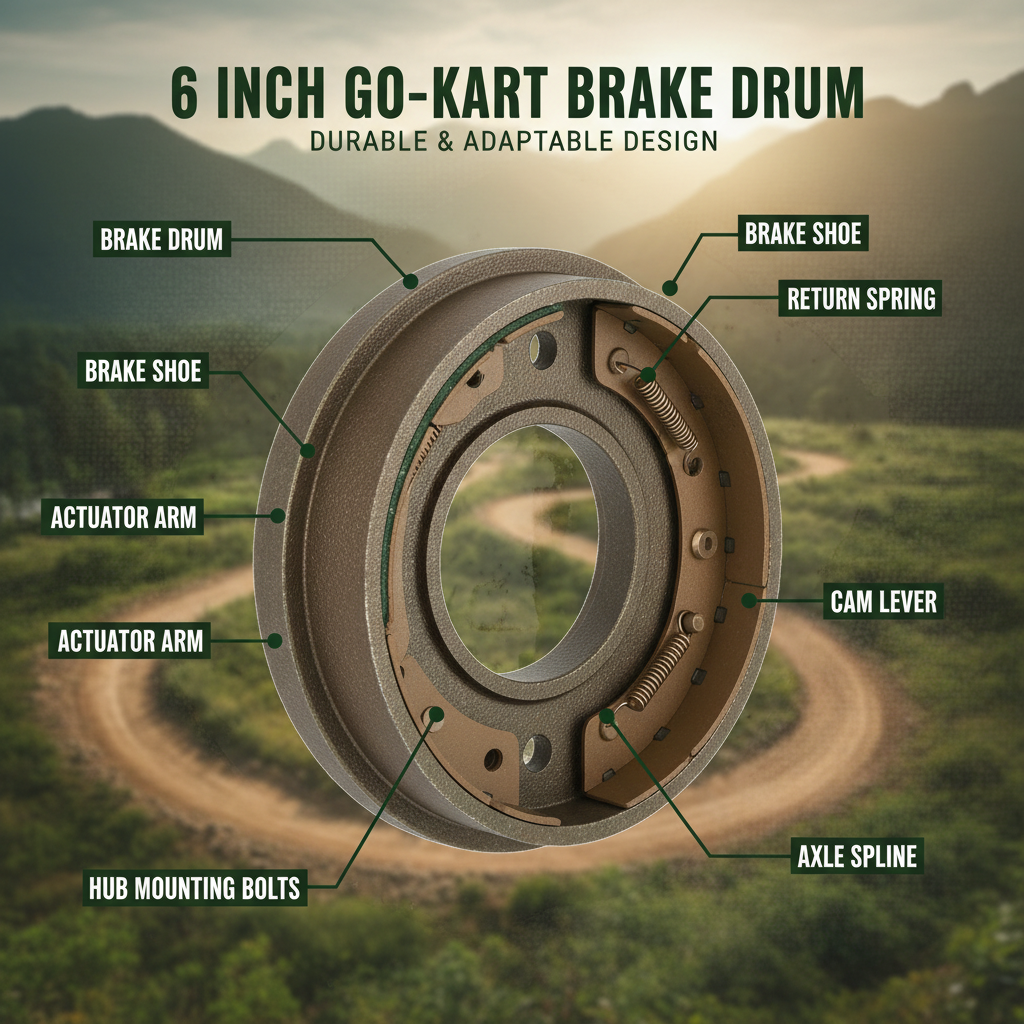
Gunite brake drums represent a crucial component in various industrial applications, offering a robust and reliable solution for braking systems. These drums, created through the pneumatically applied dry-mix shotcrete process known as gunite, are particularly valued for their durability and resistance to wear and tear. Understanding the principles behind gunite brake drums, their manufacturing processes, and their wide-ranging applications is vital for engineers, maintenance personnel, and anyone involved in industries relying on heavy machinery and robust braking capabilities. This knowledge base is expanding, driven by the need for increasingly efficient and safe braking systems.
The global demand for high-performance braking systems is constantly increasing, fuelled by growth in sectors such as mining, construction, and materials handling. Traditional brake drum materials often fall short in these demanding environments, leading to premature failure and costly downtime. Gunite brake drums offer a viable alternative, capable of withstanding extreme conditions and providing a longer operational lifespan. According to industry reports, the market for specialized brake components like gunite drums is projected to grow significantly in the coming years, mirroring the overall expansion of industrial infrastructure globally.
The appeal of gunite brake drums lies in their ability to be custom-engineered to specific requirements. Unlike cast iron or steel drums, gunite allows for the creation of complex geometries and varying material densities, enabling optimized braking performance. This adaptability makes them particularly suitable for retrofit applications, where replacing existing brake drums with a superior solution is essential to improve safety and efficiency. Furthermore, the technology lends itself to on-site repair and refurbishment, minimizing production downtime and reducing operational costs.

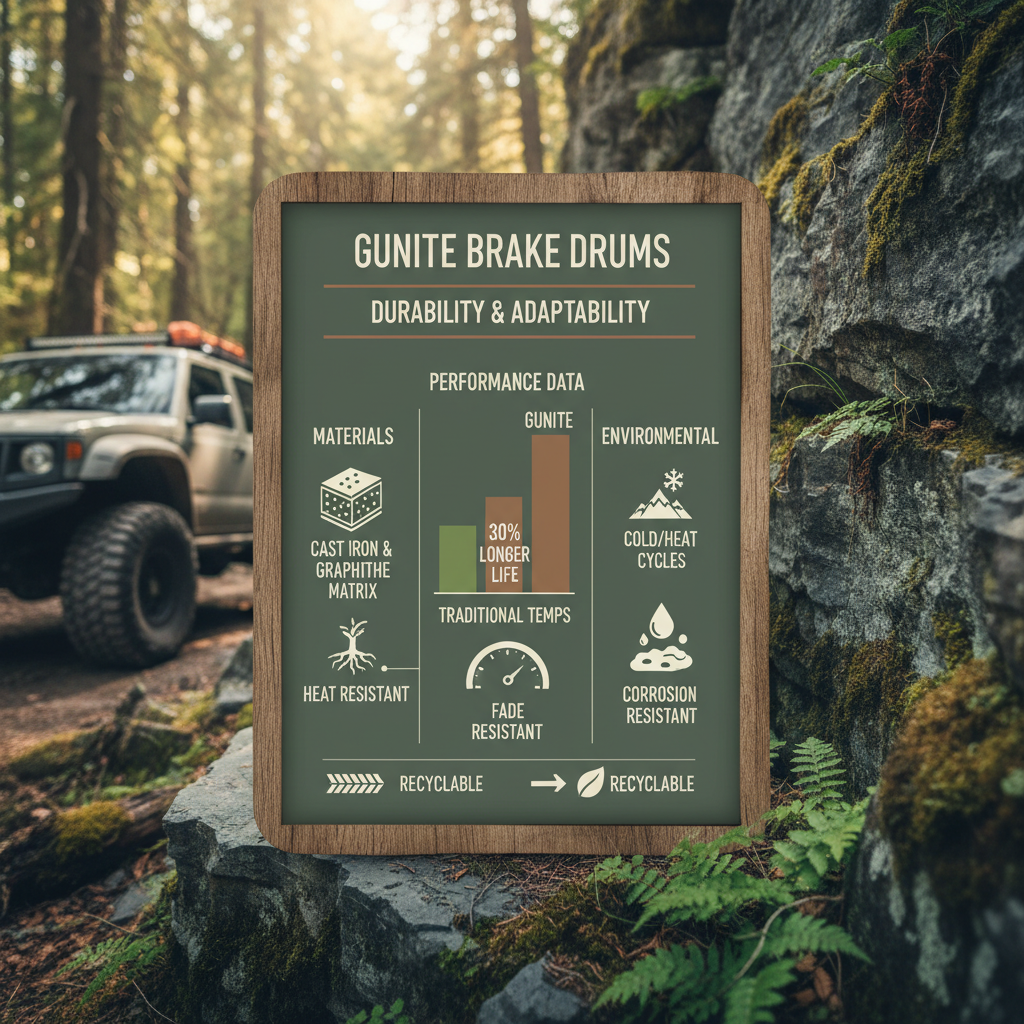
Gunite brake drums are engineered components designed to provide reliable stopping power in heavy-duty applications. Their creation involves spraying a pneumatically applied mixture of cement, sand, and water (gunite) onto a rotating form, building up the drum layer by layer. This process results in a dense, homogeneous structure with exceptional wear resistance. The initial design and precise execution of the gunite application are crucial for ensuring optimal performance and longevity.
The increasing demand for gunite brake drums stems from their superior performance characteristics compared to traditional materials. They are commonly found in industries where equipment operates under demanding conditions, such as mining, steel production, and large-scale material handling. Their ability to dissipate heat efficiently, resist abrasion, and be customized to specific applications makes them a favored choice for critical braking systems.
Gunite brake drums offer several advantages over cast iron drums, including superior wear resistance, improved thermal conductivity, and greater design flexibility. This translates to a longer service life, reduced maintenance costs, and the ability to customize the drum to specific application requirements. The gunite process also allows for on-site repair and refurbishment, minimizing downtime.
Industries such as mining, steel production, material handling, and heavy manufacturing are prime users of gunite brake drums. These sectors require robust braking systems capable of withstanding harsh conditions, heavy loads, and frequent use. Gunite drums provide the reliability and durability needed to ensure safe and efficient operation in these demanding environments.
The gunite process can be environmentally friendly due to its efficient material utilization and reduced waste generation compared to traditional casting methods. The ability to repair and resurface gunite drums extends their lifespan, minimizing the need for frequent replacements. Utilizing locally sourced materials further reduces transportation costs and environmental impact.
The lifespan of a gunite brake drum varies depending on the application and maintenance practices, but a well-maintained drum can typically last for 8-15 years or longer. Regular inspections, cleaning, and resurfacing can significantly extend its service life. The superior wear resistance of gunite material contributes to its longevity.
While gunite brake drums excel in high-load, moderate-speed applications, their suitability for extremely high-speed applications requires careful consideration. The drum’s design, gunite mixture composition, and thermal management strategies must be optimized to prevent overheating and ensure structural integrity at higher speeds.
Regular maintenance for gunite brake drums includes visual inspections for cracks or wear, cleaning to remove debris, and periodic resurfacing to maintain optimal friction and braking performance. Proper lubrication of braking components is also essential. Following the manufacturer's recommendations and implementing a preventative maintenance schedule will maximize the drum's lifespan and reliability.
In conclusion, gunite brake drums provide a compelling solution for demanding braking applications across various industries. Their exceptional durability, thermal conductivity, and customizability offer significant advantages over traditional materials, leading to reduced maintenance costs, extended lifespan, and improved operational safety. Understanding the principles behind gunite technology and its potential for optimization is crucial for engineers and maintenance personnel seeking to enhance braking system performance.
Looking ahead, continued innovation in gunite materials, automated application techniques, and smart monitoring systems will further solidify the position of gunite brake drums as a leading braking solution. Investing in training and certification programs for gunite application personnel will ensure consistent quality and reliable performance. For more information and to explore our range of gunite brake drum solutions, visit our website: www.jkxyihang.com.

 Afrikaans
 Albanian
 Amharic
 Arabic
 Armenian
 Azerbaijani
 Basque
 Belarusian
 Bengali
 Bosnian
 Bulgarian
 Catalan
 Cebuano
 Corsican
 Croatian
 Czech
Czech
 Danish
 Dutch
Dutch
 Esperanto
 Estonian
 Finnish
 French
 Frisian
 Galician
 Georgian
 German
 Greek
Greek
 Gujarati
 Haitian Creole
 Hausa
Hausa
 Hawaiian
 Hebrew
 Hindi
Hindi
 Miao
Miao
 Hungarian
 Icelandic
 Igbo
Igbo
 Indonesian
 Irish
Irish
 Italian
 Japanese
 Javanese
 Kannada
 Kazakh
 Khmer
Khmer
 Rwandese
 Korean
 Kurdish
 Kyrgyz
 Lao
Lao
 Latin
Latin
 Latvian
 Lithuanian
 Luxembourgish
 Macedonian
 Malgashi
 Malay
Malay
 Malayalam
 Maltese
 Maori
Maori
 Marathi
 Mongolian
 Myanmar
 Nepali
 Norwegian
 Norwegian
 Occitan
 Pashto
 Persian
 Polish
 Portuguese
 Punjabi
 Romanian
 Russian
 Samoan
 Scottish Gaelic
 Serbian
 Sesotho
 Shona
Shona
 Sindhi
 Sinhala
 Slovak
 Slovenian
 Somali
 Spanish
 Sundanese
 Swahili
 Swedish
 Tagalog
 Tajik
Tajik
 Tamil
Tamil
 Tatar
Tatar
 Telugu
 Thai
Thai
 Turkish
 Turkmen
 Ukrainian
 Urdu
Urdu
 Uighur
 Uzbek
Uzbek
 Vietnamese
 Welsh
Welsh
 Bantu
Bantu
 Yiddish
 Yoruba
 Zulu
Zulu
 English