18 wheeler brake drums – they're not glamorous, but they're the backbone of keeping things moving. I've spent the last fifteen years walking construction sites, talking to drivers, and seeing firsthand what happens when these components fail. It’s never pretty, and it’s always costly. Understanding these drums isn’t just about specs; it’s about safety, uptime, and keeping the whole supply chain flowing. You can’t cut corners here.
What I’ve learned is that most folks outside the industry underestimate just how much stress these drums are under. We’re talking about repeatedly stopping 80,000 pounds, generating massive heat, and doing it day in and day out. It's not just about the initial material; it’s about how it’s made, how it’s treated, and how well it can handle those continuous cycles. It’s a brutal environment.
And it’s not just about trucking. Everything from building materials to groceries relies on the smooth operation of these rigs. A delay caused by a failed brake drum ripples through the whole system. So, this isn’t just a technical issue; it’s an economic one, too. We’re talking about keeping America moving.
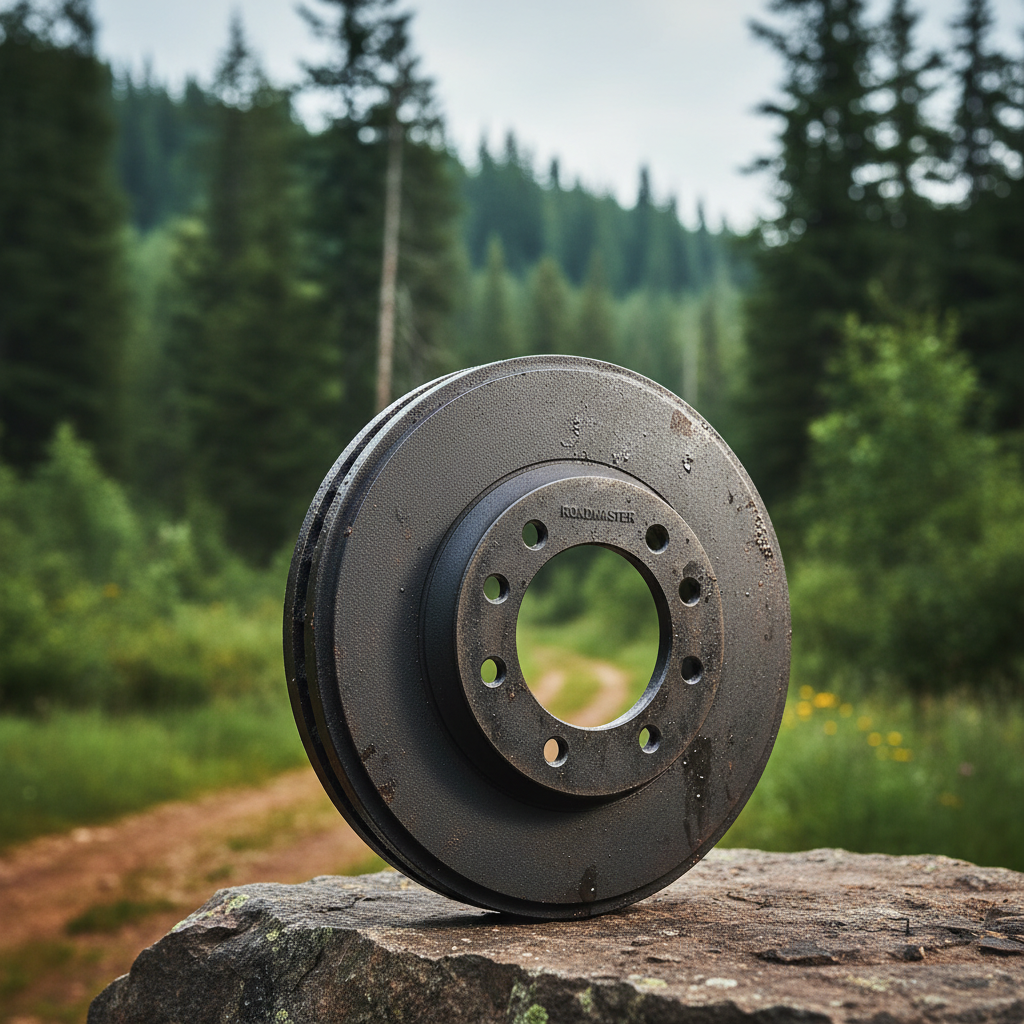
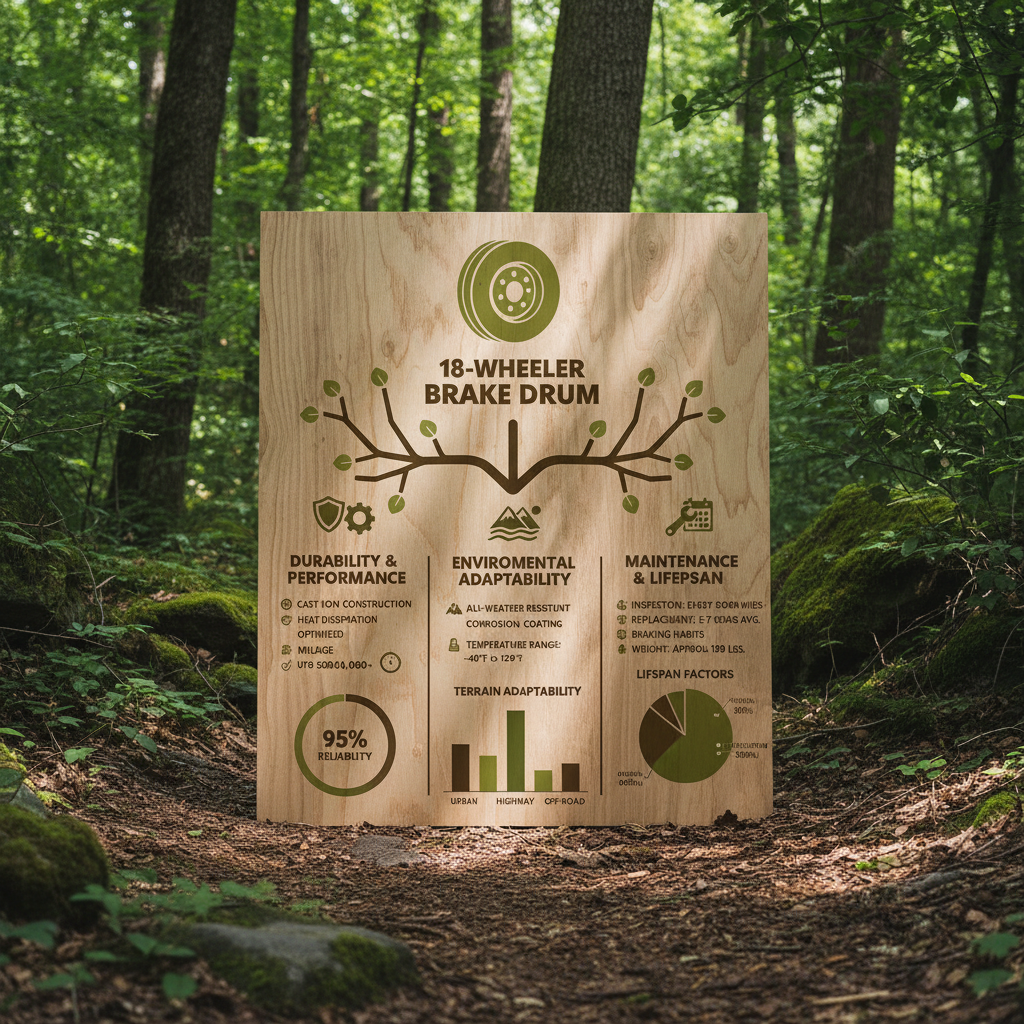
Look, these aren’t just parts; they’re safety devices. I’ve seen what happens when a drum cracks, overheats, or just plain fails. It’s not just about a breakdown; it’s about potential accidents, injuries, and lives at risk. The 18 wheeler brake drum is the primary mechanism for safely decelerating and stopping these massive vehicles, and its integrity is paramount.
We rely on these drums to perform consistently, even under extreme conditions - think long, steep grades, heavy loads, and all kinds of weather. That’s why quality control is so critical. It’s not enough to just meet the minimum standards; you need drums that can exceed them and provide a reliable margin of safety.
I always tell folks, at least every 6,000 miles, or with every oil change. But honestly, it depends on your operating conditions. If you're hauling heavy loads down steep grades, you'll need to inspect them more frequently. Look for cracks, scoring, and excessive wear. Trust your gut – if something doesn’t look right, get it checked out.
Listen for unusual noises – squealing, grinding, or scraping sounds. Feel for vibrations when braking. And pay attention to your brake pedal travel. If it feels spongy or goes further down than usual, that's a red flag. A visual inspection will reveal cracks, warping, or heavy scoring on the drum surface.
Cast iron is the workhorse – it’s affordable, durable, and easy to repair. Composite drums are lighter, which can improve fuel efficiency, and they dissipate heat better. However, they're more expensive and can be more susceptible to damage from impacts and contamination. I generally recommend cast iron for most heavy-duty applications, unless weight savings are a critical priority.
You can, but there’s a limit. Each time you resurface a drum, you remove material, making it thinner and weaker. There's a minimum thickness specification, and you shouldn’t go below that. It's usually best to replace drums that have been resurfaced multiple times. Also, you need to make sure the shop doing the resurfacing has the right equipment and expertise.
Crucial. Improperly adjusted brakes can cause uneven wear, reduced braking power, and even drum failure. You need to make sure the brake shoes or pads are making full contact with the drum surface. Regularly inspect and adjust your brakes according to the manufacturer’s specifications. It’s a small task that can save you a lot of trouble down the road.
Keep them clean, dry, and protected from the elements. Moisture can cause rust and corrosion, which can damage the braking surface. Store them in a covered area, and if you’re storing them for an extended period, apply a light coat of rust preventative oil. Don’t stack them directly on top of each other; use pallets or wooden blocks to prevent damage.
18 wheeler brake drums are a critical component of the modern transportation system. Understanding their function, the factors affecting their performance, and the importance of proper maintenance is vital for safety, efficiency, and cost-effectiveness. From material science to emerging technologies, continuous improvement in drum design and manufacturing is crucial to meeting the ever-increasing demands of the industry.
Investing in high-quality drums and prioritizing regular inspections and maintenance isn’t just about preventing breakdowns; it’s about protecting lives and ensuring the smooth flow of goods. If you’re looking for reliable, durable brake drums, or expert advice on brake system maintenance, visit our website today at jkxyihang.com.

 Afrikaans
 Albanian
 Amharic
 Arabic
 Armenian
 Azerbaijani
 Basque
 Belarusian
 Bengali
 Bosnian
 Bulgarian
 Catalan
 Cebuano
 Corsican
 Croatian
 Czech
Czech
 Danish
 Dutch
Dutch
 Esperanto
 Estonian
 Finnish
 French
 Frisian
 Galician
 Georgian
 German
 Greek
Greek
 Gujarati
 Haitian Creole
 Hausa
Hausa
 Hawaiian
 Hebrew
 Hindi
Hindi
 Miao
Miao
 Hungarian
 Icelandic
 Igbo
Igbo
 Indonesian
 Irish
Irish
 Italian
 Japanese
 Javanese
 Kannada
 Kazakh
 Khmer
Khmer
 Rwandese
 Korean
 Kurdish
 Kyrgyz
 Lao
Lao
 Latin
Latin
 Latvian
 Lithuanian
 Luxembourgish
 Macedonian
 Malgashi
 Malay
Malay
 Malayalam
 Maltese
 Maori
Maori
 Marathi
 Mongolian
 Myanmar
 Nepali
 Norwegian
 Norwegian
 Occitan
 Pashto
 Persian
 Polish
 Portuguese
 Punjabi
 Romanian
 Russian
 Samoan
 Scottish Gaelic
 Serbian
 Sesotho
 Shona
Shona
 Sindhi
 Sinhala
 Slovak
 Slovenian
 Somali
 Spanish
 Sundanese
 Swahili
 Swedish
 Tagalog
 Tajik
Tajik
 Tamil
Tamil
 Tatar
Tatar
 Telugu
 Thai
Thai
 Turkish
 Turkmen
 Ukrainian
 Urdu
Urdu
 Uighur
 Uzbek
Uzbek
 Vietnamese
 Welsh
Welsh
 Bantu
Bantu
 Yiddish
 Yoruba
 Zulu
Zulu
 English